.png)


Top Irrigation Services for Sustainable Farming

Sustainable farming is more than a trend; it's a necessity. Efficient water management is at its core.
Summary
Efficient water management underpins sustainable farming, and modern irrigation services enable precise, water-saving delivery. This guide compares drip, sprinkler, surface, and subsurface systems—emphasizing drip’s efficiency—while outlining their respective pros and cons. It explains what professional services offer (design, installation, maintenance, and upgrades), details key installation steps, and provides criteria for choosing a provider. Ongoing maintenance, proper irrigation system repair services, and smart upgrades drive long-term efficiency, higher yields, cost savings, and environmental resilience.
Irrigation services play a crucial role in this process. They ensure crops receive the right amount of water. Modern irrigation systems offer precision and efficiency. They help conserve water and reduce waste.
Drip irrigation is a popular choice for many farmers. It delivers water directly to plant roots, minimizing evaporation. Proper irrigation installation and maintenance are vital. They enhance crop yields and support long-term sustainability.
The Importance of Sustainable Irrigation in Modern Farming
Sustainable irrigation is fundamental in today's agriculture. It maximizes water use and promotes environmental health. Efficient irrigation systems limit water waste, a pressing issue in many regions.
Implementing such systems contributes to farming resilience. They adapt to environmental changes, protecting against unpredictable weather. Utilizing advanced technology provides precise water control, enhancing growth and yield.
Sustainable irrigation offers several benefits:
Conserves vital water resources
Reduces energy costs and usage
Limits environmental impact
Furthermore, this approach supports food security. By optimizing water use, farmers ensure reliable crop production. It also helps maintain soil health, reducing erosion and nutrient loss.
Innovative irrigation solutions make significant impacts. They promote efficient farming while preserving natural resources. Such advancements pave the way for a sustainable agricultural future.
Types of Irrigation Systems for Sustainable Agriculture
Various irrigation systems support sustainable agriculture. They adapt to specific conditions and needs, enhancing overall efficiency. Selecting the appropriate system is crucial for optimal performance.
Key irrigation methods include:
Drip irrigation
Sprinkler irrigation
Surface irrigation
Subsurface irrigation
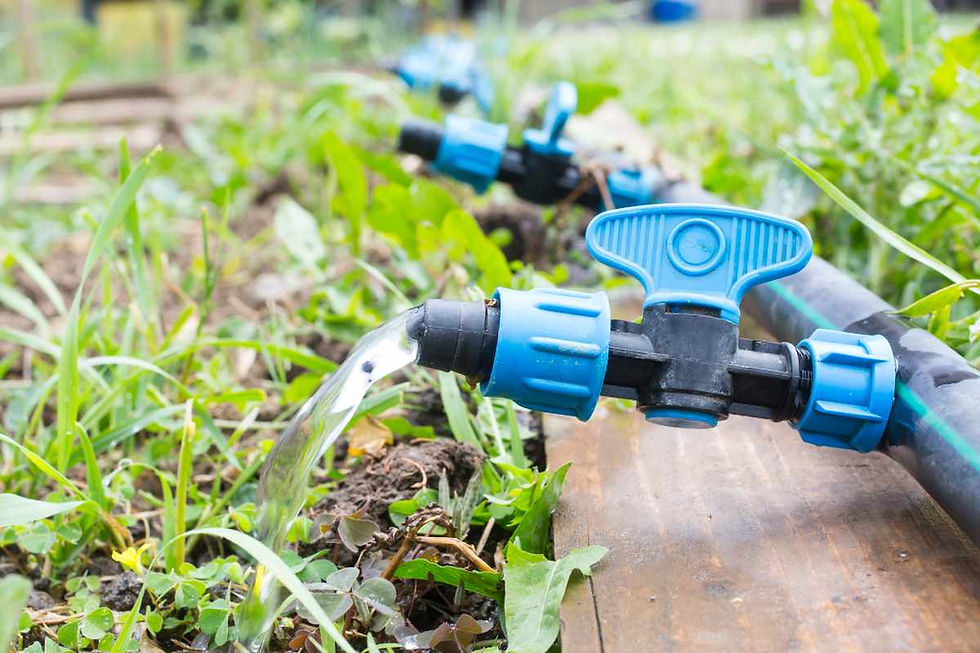
Drip irrigation is favored for conserving water. It delivers water directly to roots, reducing evaporation. This method is ideal for water-scarce areas.
Sprinkler systems mimic natural rainfall. They evenly distribute water, beneficial for large areas. However, they may lead to water loss through evaporation.
Surface and subsurface irrigation are traditional methods. Surface irrigation is more reliant on gravity, while subsurface feeds water below the soil's surface. Both can efficiently support large-scale operations.
Ultimately, each system offers distinct advantages. Selecting the right one depends on factors like crop type, climate, and soil characteristics. Adaptation to these variables ensures effective water management.

Drip Irrigation: Efficiency and Water Conservation
Drip irrigation stands out for efficiency and conservation. It's a preferred choice for sustainable farming. By delivering water directly, it minimizes evaporation and runoff.
Benefits of drip irrigation include:
Precise water delivery to plant roots
Reduced weed growth
Lower evaporation rates
Installing drip systems can save time and resources. They require less labor than traditional methods. Moreover, they are scalable, adapting to farm expansion.
Drip systems promote better crop health by providing consistent moisture. This method also supports fertigation, integrating nutrient application with irrigation. It is particularly suitable for fruit and vegetable crops.
Adopting drip irrigation can greatly boost sustainability. Its targeted delivery ensures efficient water use. Farmers adopting this system can achieve significant improvements in yield and resource conservation.
Sprinkler and Surface Irrigation: Pros and Cons
Sprinkler and surface irrigation each offer unique benefits. Sprinkler systems replicate rainfall, ideal for irregular landscapes. They distribute water uniformly, covering wide areas effectively.
Pros and cons of these systems include:
Sprinkler: Efficient coverage, but higher water loss through evaporation.
Surface: Simplicity and low cost, but often inefficient for small areas.
Surface irrigation relies on gravity, guiding water over fields. It's easy to install, suitable for large farms. However, it can result in uneven water distribution.
Both systems have their place in sustainable farming. Sprinklers offer modern flexibility, while surface irrigation remains cost-effective. Choosing the right system depends on specific farm needs and environmental conditions.
Professional Irrigation Services: What to Expect
Professional irrigation services play a vital role in sustainable agriculture. They provide expertise crucial for efficient water management. Engaging with these services brings numerous benefits to farms.
When working with irrigation professionals, expect comprehensive offerings. Services include:
System design and planning
Installation and retrofitting
Regular maintenance and repairs
Experts assess the farm's unique requirements. They customize systems to enhance resource efficiency. Proper planning ensures that irrigation aligns with crop needs and environmental conditions.
Maintenance is also a critical service. Regular checks prevent breakdowns and ensure longevity. Professionals can offer timely repairs, minimizing downtime and loss. Their support keeps systems functioning at peak performance.
Choosing professional services is an investment in sustainability. They ensure irrigation systems are well-designed, efficient, and properly maintained. This support is essential for sustainable farming success.

Irrigation Installation: Steps to Success
Successful irrigation installation involves careful planning and execution. Ensuring an efficient system depends on key steps. Start by assessing the land and crop needs.
First, choose the appropriate irrigation system. Consider factors like soil type and water availability. Selection directly impacts efficiency and water conservation.
Next, plan the layout of the system. Design should maximize coverage and minimize waste. Proper layout is crucial for optimal performance and sustainability.
Finally, execute the installation with precision. Use quality materials and follow best practices. Pay attention to details like pipe fittings and connections. Proper installation prolongs the life of the system and enhances reliability.
A successful installation ensures that the irrigation system operates efficiently and supports sustainable farming practices. For irrigation system repair, contact us at Dragons Landscaping.
Maintenance and Upgrades for Long-Term Sustainability
Regular maintenance is vital for sustaining irrigation systems. Consistent checks prevent issues and promote system efficiency. Timely upgrades can also enhance performance.
Incorporate these practices for sustainable operation:
Inspect for leaks or clogs frequently.
Adjust system settings seasonally.
Upgrade to smart controllers for precision.
Replace worn components as needed.
Upgrades can introduce new technology, improving efficiency and conserving resources. Investing in system longevity supports sustainable farming, ensuring reliable water delivery for healthy crops. Efficient systems reduce environmental impact and promote long-term agricultural productivity.
Choosing the Right Irrigation Service Provider
Selecting a reliable irrigation service provider is crucial. Their expertise ensures the installation and maintenance of optimal systems. Consider a provider with a proven track record.
Evaluate potential service providers based on these criteria:
Experience in installing various irrigation systems
Understanding of sustainable farming needs
Availability of customer support and maintenance services
Flexibility in system design and customization
An experienced provider tailors solutions to your farm's specific needs, ensuring efficient water management and sustainable practices. Such collaboration fosters success and long-term farm viability.
Conclusion: Advancing Sustainable Farming with Efficient Irrigation
Efficient irrigation systems are essential for sustainable farming, improving water use and crop yields. By choosing reliable services, farmers can enhance farm productivity.
Investing in advanced irrigation technology not only conserves water but also supports environmental sustainability. These efforts lead to long-term agricultural success and resilience.


Comments